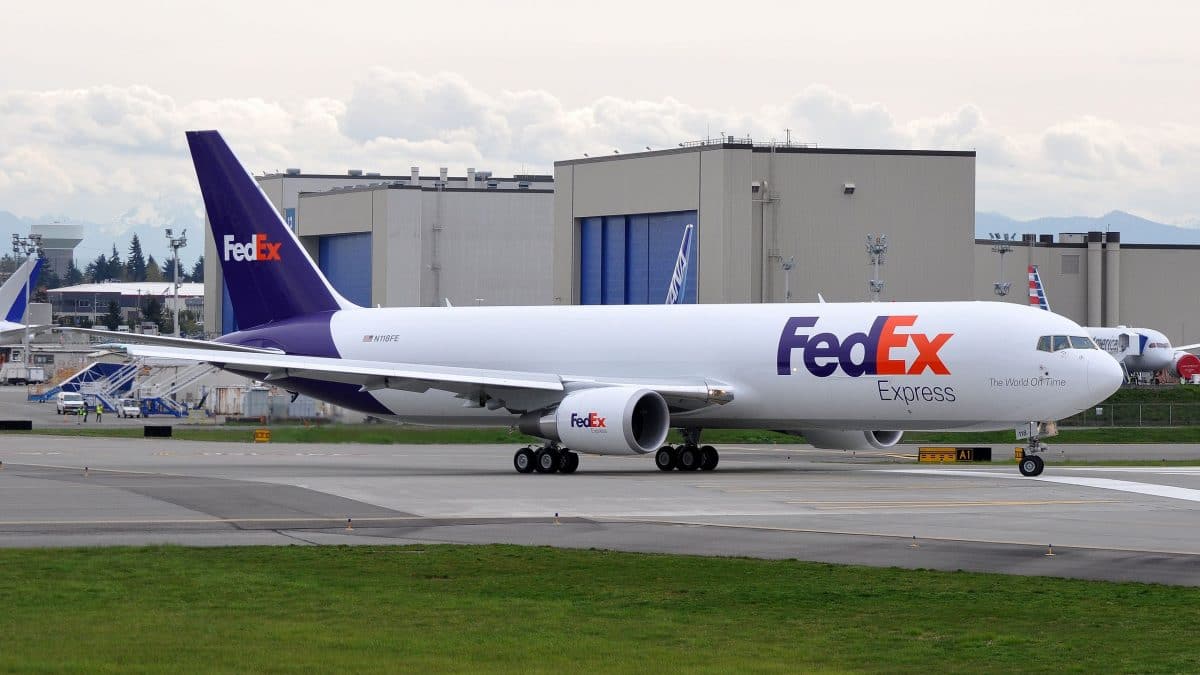
FedEx, a global leader in the logistics industry, has recently come under fire for its increased reliance on the H-1B visa program to bring in foreign workers. This move has sparked controversy as it coincides with significant job cuts for American workers, creating a storm of criticism directed at the company and its leadership.
This hiring strategy has raised eyebrows, particularly among those who believe that FedEx's options should prioritize retaining U.S. employees over bringing in foreign talent. The timing of these layoffs has only added fuel to the fire, as it comes at a time when many Americans are already grappling with economic uncertainties.
Some argue that the H-1B program is a vital tool for companies like FedEx to gain access to a global talent pool, allowing them to remain competitive in a rapidly changing market. However, others see this as a sign of corporate greed, focusing on cost-cutting measures at the expense of local jobs. The debate has highlighted the delicate balance between maintaining a competitive edge and ensuring fair employment practices.
As FedEx continues to navigate this controversial decision, the company's leadership, including its Indian-origin chief, faces mounting pressure to justify their actions. The public and industry analysts alike are eager to see how FedEx will address these concerns while balancing its global workforce needs and maintaining its commitment to American workers.


