Jaipur's Golden Pulse: Navigating Today's Market
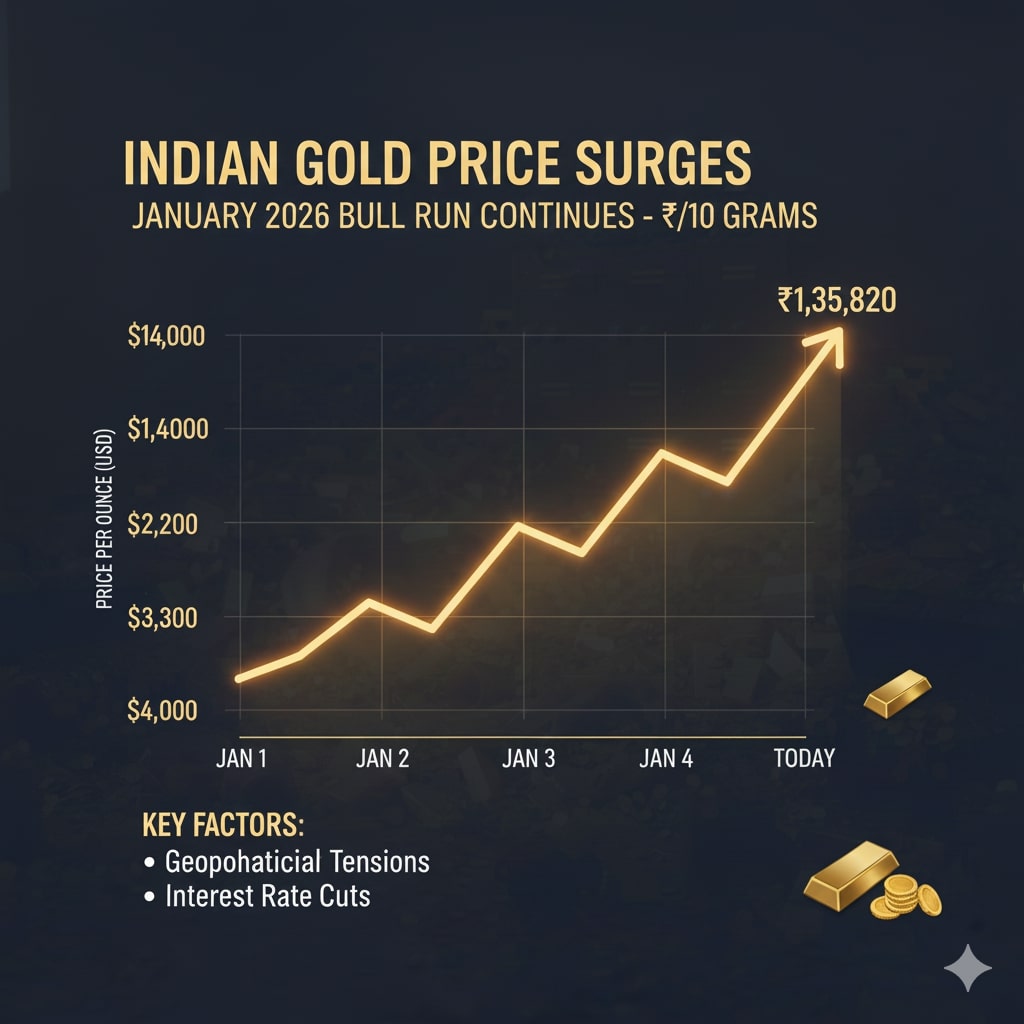
In the bustling heart of Jaipur, where the historic lanes of Johari Bazaar echo with the chimes of jewelry crafting, the gold market today has caught the eyes of many. The price of gold has seen a modest upswing, reaching ₹14,549.62, an increase of 0.16%. This subtle rise is a testament to the intricate dance of global and local forces at play.
The city, renowned for its exquisite jewelry craftsmanship, is currently enveloped in the vibrant aura of the festive and wedding seasons. This period traditionally heralds a surge in demand for gold, as families seek to adorn their celebrations with the timeless beauty of this precious metal. Local jewelers report a steady influx of buyers, each searching for that perfect piece to complete their festive attire or bridal trousseau.
Global Tides and Local Currents
Globally, the gold market is buoyed by the recent pause in interest rate hikes by the Federal Reserve, which has lent stability to gold prices. As interest rates remain unchanged, the allure of holding gold, an asset without yield, becomes more appealing. This global sentiment resonates deeply with Jaipur's market dynamics, where the allure of gold is perennial and deeply rooted in tradition.
Moreover, the slight weakening of the US Dollar Index has played its part in this price movement. As the dollar dips, gold becomes more accessible for international buyers, indirectly benefiting local markets such as Jaipur, where the demand is consistently high.
However, silver tells a different story. With prices declining by 1.42% to ₹2,628.16, the market reflects concerns over industrial demand, which remains a significant driver for silver. Unlike gold, silver's fate is more closely tied to industrial uses, which are currently facing uncertainties.
Geopolitical Underpinnings and Local Repercussions
Beyond the borders of India, geopolitical tensions, particularly in the Middle East, have added a risk premium to gold. In times of uncertainty, investors globally often turn to gold as a safe haven, a sentiment echoed in the bustling markets of Jaipur. However, silver's industrial demand focus means it is less directly affected by such geopolitical undercurrents.
On the trade front, the ongoing negotiations between China and the U.S. add another layer of complexity. While these discussions bolster gold through safe-haven demand, they simultaneously apply pressure on silver, sensitive to trade-related industrial demands.
Festive and Cultural Fabric: Jaipur's Unique Influence
In Jaipur, the market's pulse is also heavily influenced by its cultural calendar. As Diwali approaches, followed by the wedding season, the demand for gold spikes dramatically. Local jewelers anticipate this surge, stocking up and showcasing innovative designs that cater to both traditional tastes and contemporary desires.
The absence of changes in import duties further stabilizes the supply chain, ensuring that the market can meet the burgeoning demand without significant price shocks. This stability is crucial for Jaipur's jewelers, who rely on consistent supply to satisfy their discerning clientele.
Technical Perspectives: Navigating the Price Waves
For those watching the market with a keen eye, gold currently finds support at ₹14,400, with resistance looming near ₹14,600. A breakthrough beyond this could signal further gains, potentially reaching ₹14,800, fueled by ongoing demand and macroeconomic conditions.
Silver, meanwhile, faces support at ₹2,600, with resistance at ₹2,700. The recent decline suggests bearish tendencies, but a recovery in industrial demand could see prices rebound, indicating a potential reversal.
Outlook: A Glistening Horizon
In conclusion, Jaipur's gold market today reflects a harmonious blend of global stability and vibrant local demand, particularly as the city embraces its festive spirit. Silver, conversely, navigates a more cautious path, shaped by broader industrial uncertainties. As geopolitical and economic narratives unfold, Jaipur's jewelers and investors remain vigilant, ready to adapt to the shifting sands of the precious metals market.