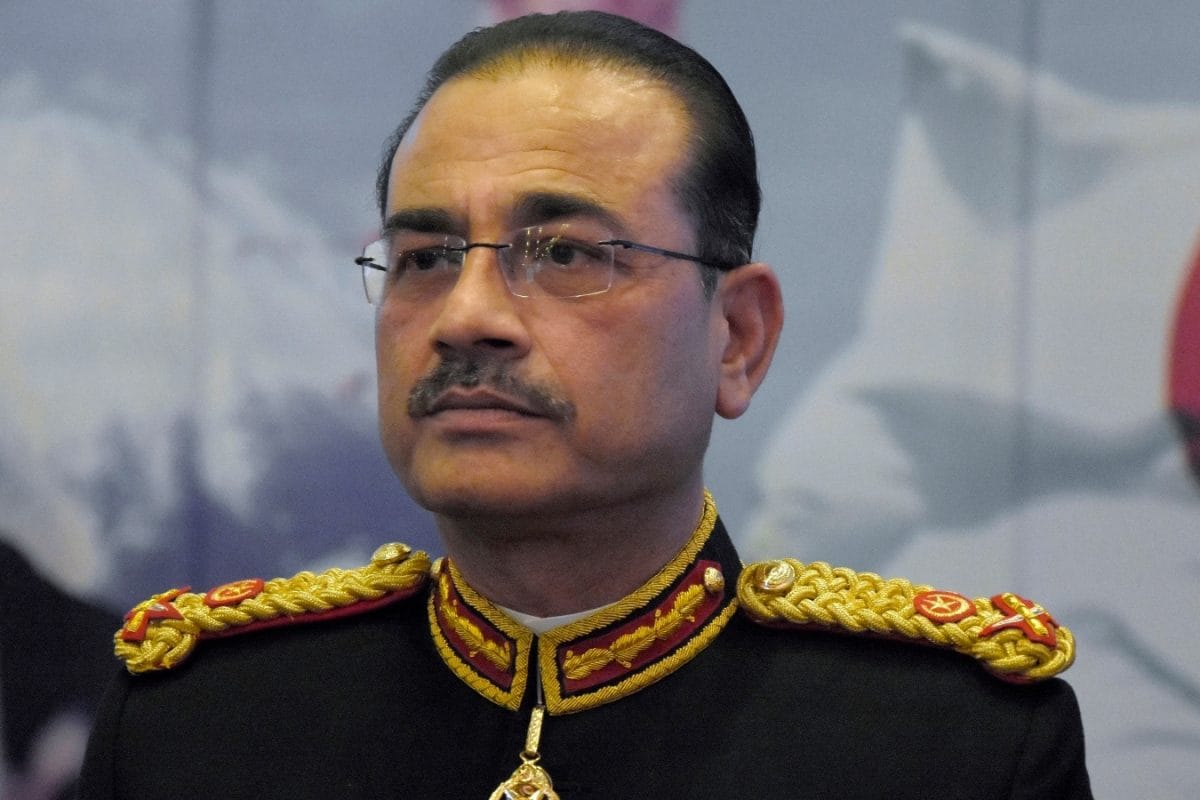
Balochistan, Pakistan's largest and yet least densely populated province, remains a focal point for political and military maneuvering. Recently, the head of Pakistan's army, General Asim Munir, has been vocally emphasizing the perceived threat from India as a way to rally nationalistic fervor and maintain control in the region. By framing India as the primary antagonist, Munir aims to reinforce the military's position as the protector of national security.
General Munir has asserted that the Pakistani military is fully equipped and prepared to thwart any proxy activities that are allegedly sponsored by India in Balochistan. This narrative serves multiple purposes. It aims to unify the public under common concerns of sovereignty and territorial integrity while also justifying the military's continued presence and operations in the region. The strategy effectively paints any internal dissent as being influenced by foreign actors, thereby delegitimizing local grievances.
For locals in Balochistan, these claims have mixed reception. While some buy into the rhetoric, seeing the military as a necessary force against external threats, others view it as a distraction from pressing internal issues like economic underdevelopment and political disenfranchisement. Despite the complex dynamics, the strategy of emphasizing external threats has historically been a tool used by states to divert attention from internal issues, and Pakistan's military is no exception.
In the end, the interplay between asserting military strength and addressing internal challenges will determine the future landscape of Balochistan. As global watchers observe, the emphasis on an external foe might temporarily bolster the military’s grip, but long-term peace will require addressing the underlying socio-political issues facing the region.