The Pulse of Mumbai's Gold Market
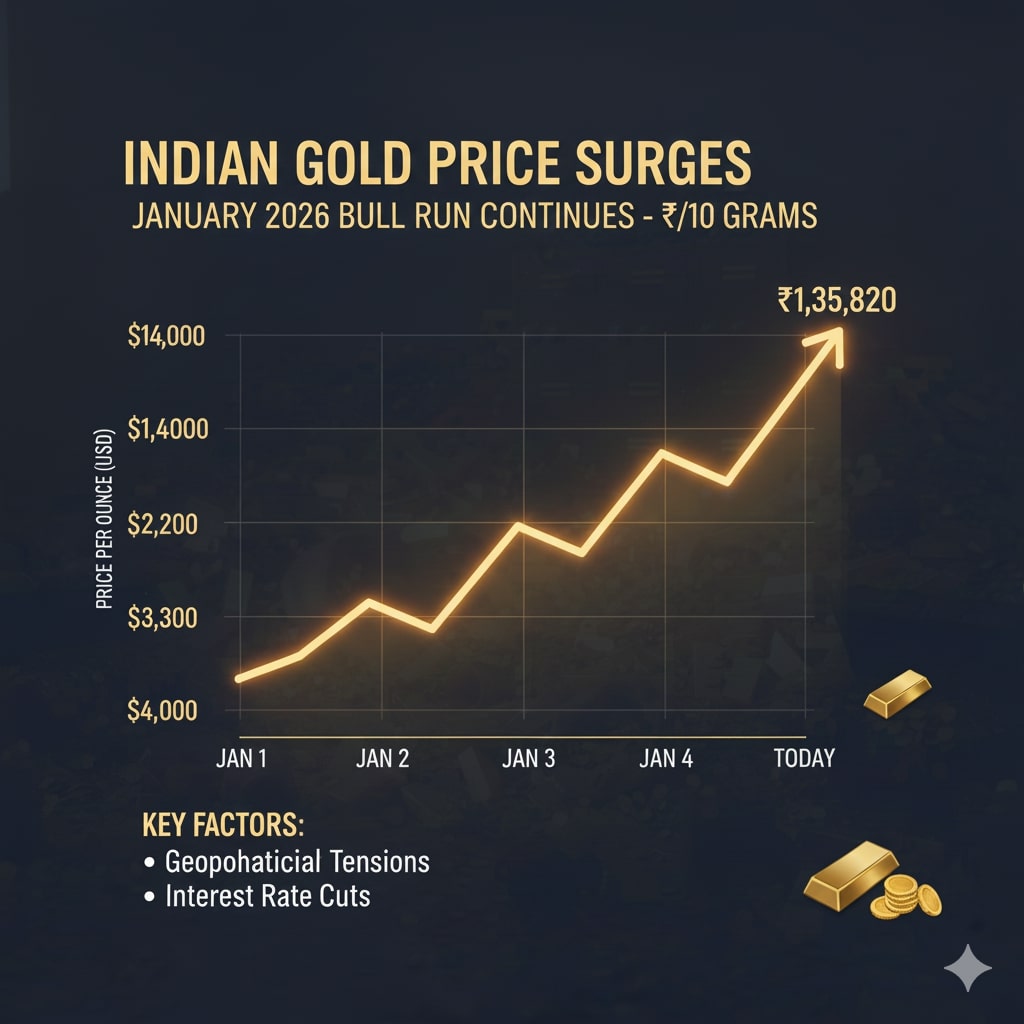
In the bustling heart of Mumbai, where the shimmering lights of Zaveri Bazaar never seem to dim, gold prices have ticked upward, reflecting a modest rise of 0.16% to ₹14,549.62 per gram. This movement is more than just numbers; it is a reflection of a city preparing for its vibrant festive season, where gold is not just a metal but a tradition.
As Diwali approaches, the lanes of Zaveri Bazaar are abuzz with anticipation. The festive spirit is palpable, and with it comes the age-old custom of buying gold. This year, however, the usual excitement is tempered by a series of global and local challenges that are shaping the market dynamics in unique ways.
Global Currents and Local Ripples
The global stage is set with a drama of its own. The Federal Reserve's hawkish stance on interest rates has created ripples across the world's financial waters. As the U.S. dollar strengthens, bolstered by rising Treasury yields, gold's allure as a non-yielding asset faces pressure. Yet, in Mumbai, the narrative is different. Here, gold's role as a hedge against inflation and a safe-haven asset retains its charm, especially amidst the geopolitical tensions simmering in the Middle East.
The city's jewelers, deeply entrenched in the traditions of buying and selling gold, are keenly aware of these international influences. However, they also understand the unique demands of their local clientele. The upcoming wedding season, another significant driver of gold demand in Mumbai, adds a layer of complexity to the market. For many, gold is not just an investment; it is a symbol of prosperity and a crucial part of matrimonial celebrations.
Local Demand and Its Nuances
While the global narrative is dominated by financial metrics and geopolitical tensions, Mumbai's gold market dances to the tune of its local rhythms. The onset of the festive season marks a period when families traditionally make significant gold purchases. Yet, high prices and economic pressures threaten to dampen this demand.
Import duties imposed by the Indian government further complicate the scenario. These duties, designed to curb excessive imports, keep domestic prices elevated, influencing purchasing decisions. For jewelers in Mumbai, this means balancing between offering attractive deals and maintaining their profit margins amidst these constraints.
Silver's Slippery Slope
In contrast to gold, silver has seen a decline, with prices dropping by 1.42% to ₹2,628.16 per 10 grams. This decline is a reflection of the metal's dual identity as both a precious and industrial commodity. Silver's fortunes are closely linked to industrial demand, which has been under strain due to the stronger dollar and global economic uncertainties.
For Mumbai's investors and traders, navigating this landscape requires a keen understanding of both the local and global factors at play. The city's bullion market, with its blend of tradition and modernity, remains resilient, adapting to the ever-changing economic tides.
A Market at the Crossroads
As we look to the future, the Mumbai gold market stands at a crossroads. The coming weeks will test the resilience of both buyers and sellers, as they navigate through festive demand, global economic pressures, and local market dynamics. For Mumbaikars, gold is more than a commodity; it is a reflection of cultural identity and an enduring symbol of wealth.
In this city of dreams, where tradition meets innovation, the gold market is a testament to the resilience and adaptability of its people. As the festive season unfolds, all eyes will be on how these factors converge, shaping the future of Mumbai's glittering gold trade.