Synchronous vs Asynchronous Communication in System Design
In modern system design, communication between services plays a critical role in performance and scalability. Two major types of communication used in applications are Synchronous and Asynchronous communication.
Understanding the difference between these two approaches helps you design better systems, improve performance, and handle large-scale traffic efficiently.
What is Synchronous Communication?
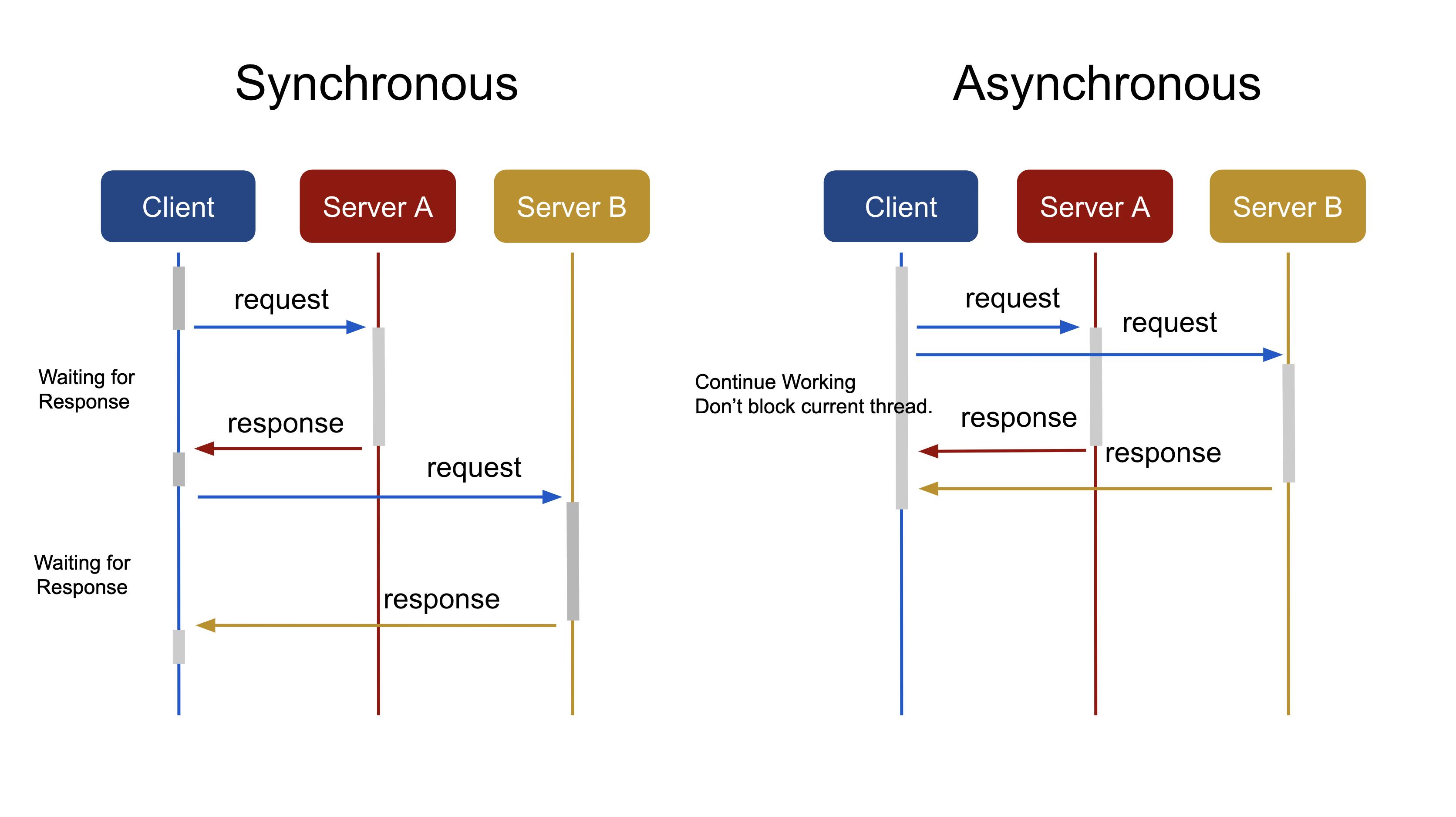
Synchronous communication means that a request is sent and the sender waits for a response before continuing. It is a blocking process where the client cannot proceed until the response is received.
This is the most common communication pattern used in APIs and web applications.
Example
User → Request → Server → Response → User waits
Advantages of Synchronous Communication
- Simple and easy to implement
- Immediate response
- Easy debugging
Disadvantages of Synchronous Communication
- Blocking behavior (wait time)
- Slower performance under heavy load
- Not scalable for large systems
What is Asynchronous Communication?
Asynchronous communication means that a request is sent, but the sender does not wait for the response. The system continues processing other tasks while the response is handled later.
This is widely used in distributed systems and microservices architecture.
Example
User → Request → Queue → Worker → Response later
Advantages of Asynchronous Communication
- Non-blocking (better performance)
- Highly scalable
- Handles high traffic efficiently
Disadvantages of Asynchronous Communication
- Complex implementation
- Harder debugging
- Delayed response
Synchronous vs Asynchronous (Key Differences)
| Feature | Synchronous | Asynchronous |
|---|---|---|
| Execution | Blocking | Non-blocking |
| Response | Immediate | Delayed |
| Scalability | Low | High |
| Complexity | Simple | Complex |
Real-World Examples
- Synchronous: API calls, login requests
- Asynchronous: Email sending, payment processing, notifications
When to Use What?
- Use Synchronous: When immediate response is required
- Use Asynchronous: For background tasks and high scalability
Final Thoughts
Both synchronous and asynchronous communication have their own use cases. While synchronous communication is simple and useful for real-time interactions, asynchronous communication is powerful for building scalable and high-performance systems.
Modern applications often use a combination of both approaches to achieve the best performance and user experience.