Why Gold Prices Are So Volatile in 2026: What’s Really Moving the Market
Gold used to be seen as stable — predictable, slow-moving, almost boring.
But 2026 has changed that perception completely.
Prices are not just rising or falling — they are swinging. Sharp jumps, sudden corrections, and unpredictable movements have become the new normal.
So what exactly is happening?
🌍 The Iran Conflict: The Biggest Trigger
One of the strongest forces behind gold volatility in 2026 has been geopolitical tension — especially the ongoing situation involving Iran.
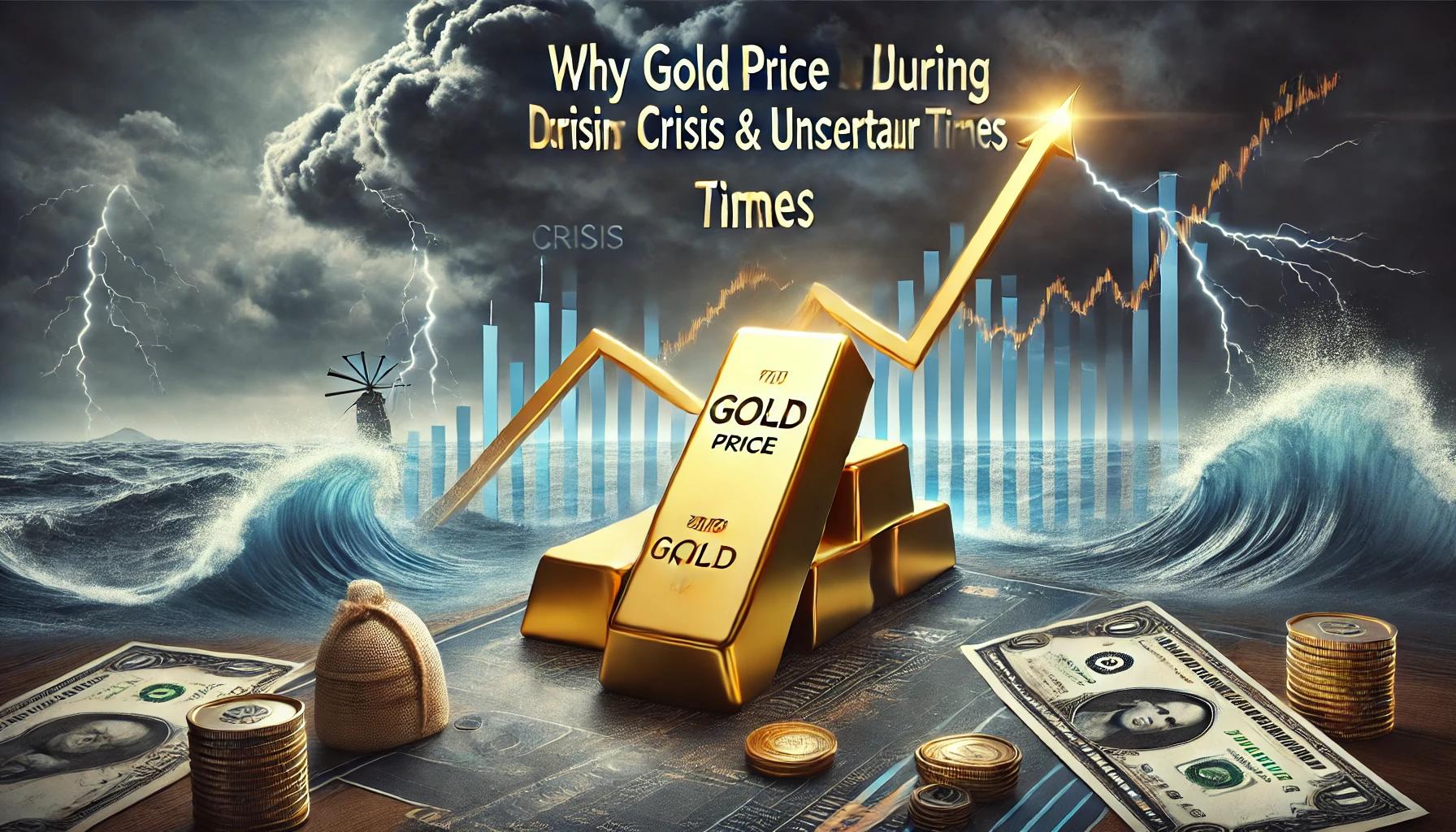
Gold is considered a safe-haven asset. Whenever global uncertainty rises, investors move their money into gold.
- War fears increase demand for gold
- Investors shift away from risky assets
- Short-term price spikes become common
But here’s the twist:
As soon as tensions show signs of easing, prices can fall just as quickly.
👉 This constant back-and-forth is one of the main reasons gold is so volatile right now.
📈 Inflation Is Still Playing a Major Role
Inflation has been another key driver of gold prices.
When inflation rises, people look for assets that can protect their purchasing power — and gold is one of the top choices.
- Higher inflation → higher gold demand
- Gold acts as a hedge against currency value loss
However, inflation expectations are constantly changing — which means gold prices react quickly.
---💱 The US Dollar Effect
Gold and the US dollar have an inverse relationship.
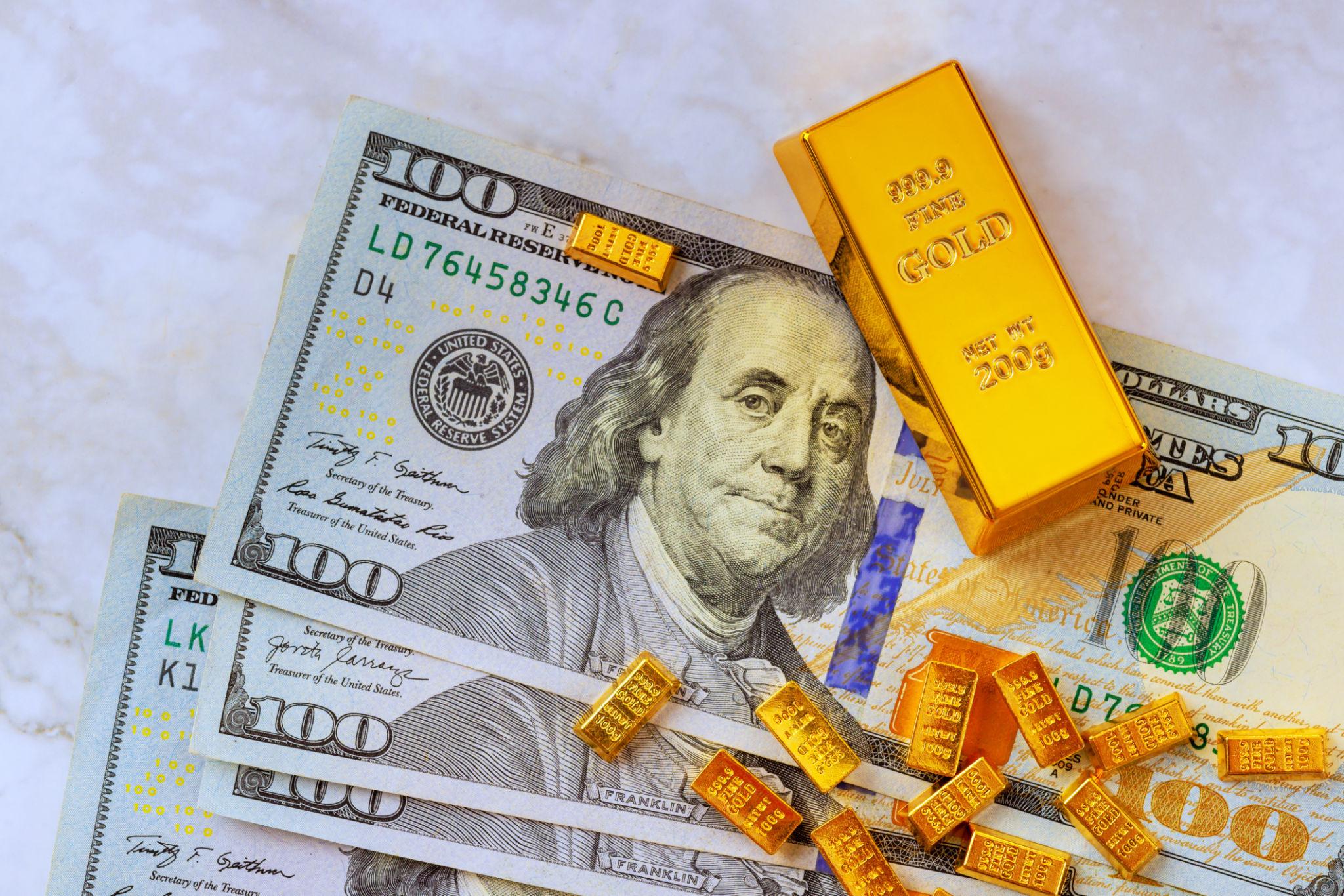
- Strong dollar → gold becomes expensive globally → demand falls
- Weak dollar → gold becomes attractive → demand rises
In 2026, the dollar has been fluctuating, adding another layer of uncertainty to gold prices.
👉 Even small currency movements can trigger noticeable price changes.
---📊 Why Prices Are Not Stable Anymore
Earlier, gold was mainly influenced by one or two factors.
Now, multiple forces are acting together:
- Geopolitical tensions
- Inflation data
- Interest rate expectations
- Currency movements
These factors often conflict with each other — creating a market where prices don’t move in a straight direction.
👉 That’s why gold is no longer “stable” — it’s reactive.
---🪔 Festival Demand Adds Another Layer
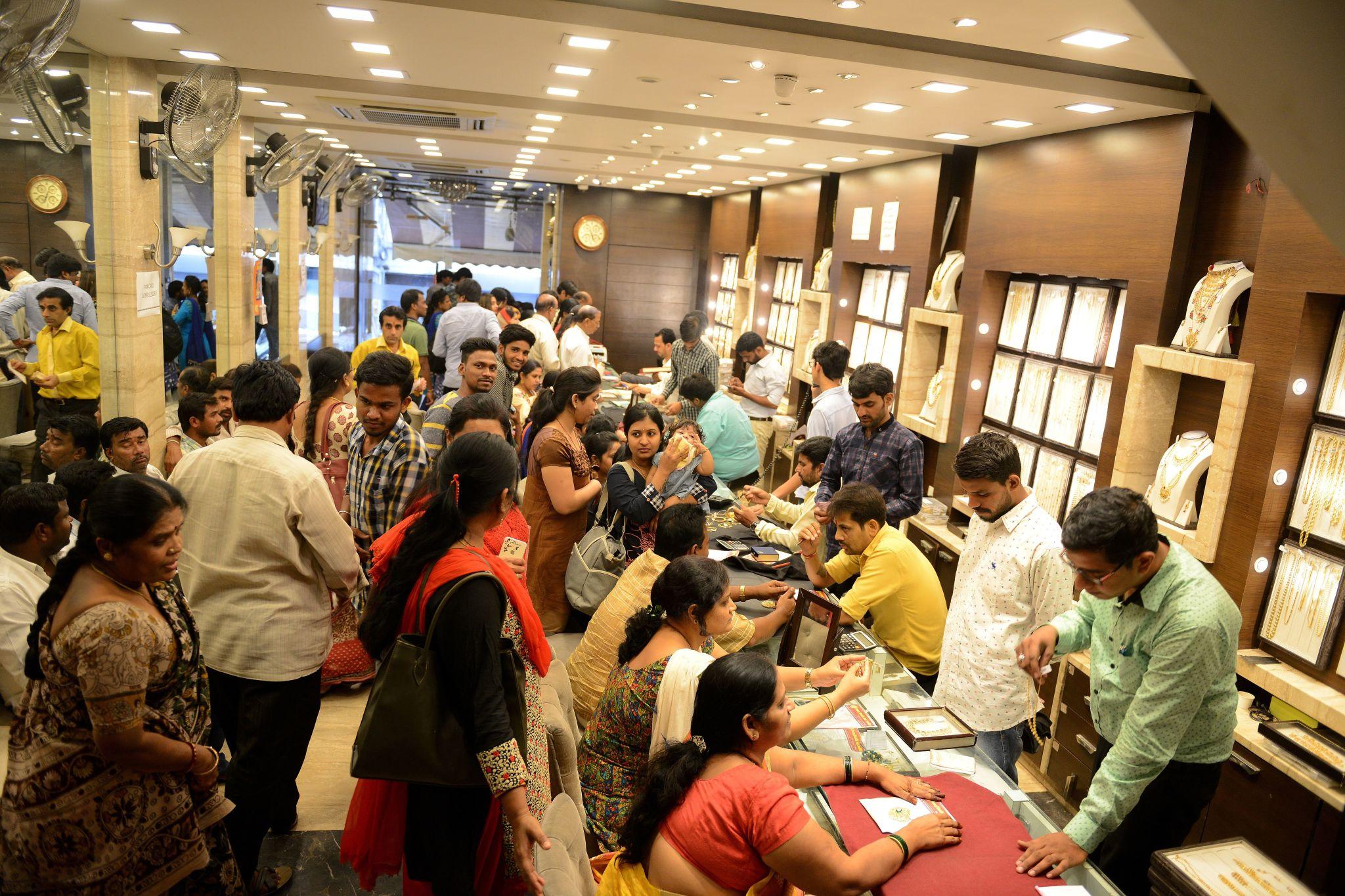
In India, demand is also influenced by cultural factors.
Events like Akshaya Tritiya create sudden spikes in buying activity.
- Demand increases sharply
- Prices get temporary support
- Volatility increases due to mixed signals
Interestingly, even when prices are high, buying doesn’t stop — which keeps the market active.
---📉 What This Means for Buyers
Volatility is often seen as a risk — but it also creates opportunity.
- Short-term dips become buying opportunities
- Prices rarely stay flat for long
- Timing becomes more important than ever
👉 The key is not to react emotionally, but to understand the pattern.
---💡 Smart Strategy in a Volatile Market
Experienced investors don’t try to predict every move — they adapt.
- Buy gradually instead of all at once
- Use dips as entry points
- Avoid buying during hype-driven spikes
This reduces risk while still capturing long-term growth.
---🧠 The Bigger Picture
Gold is no longer just a safe asset — it’s now a dynamic one.
It reacts to:
- War
- Inflation
- Currency
- Global sentiment
Understanding this is what separates informed investors from reactive buyers.
---📌 Final Insight
Gold isn’t unstable — it’s responding to a world that is constantly changing.
And in a market like this, the advantage doesn’t go to the fastest buyer…
It goes to the one who understands what’s really driving the price.