Opening Hook
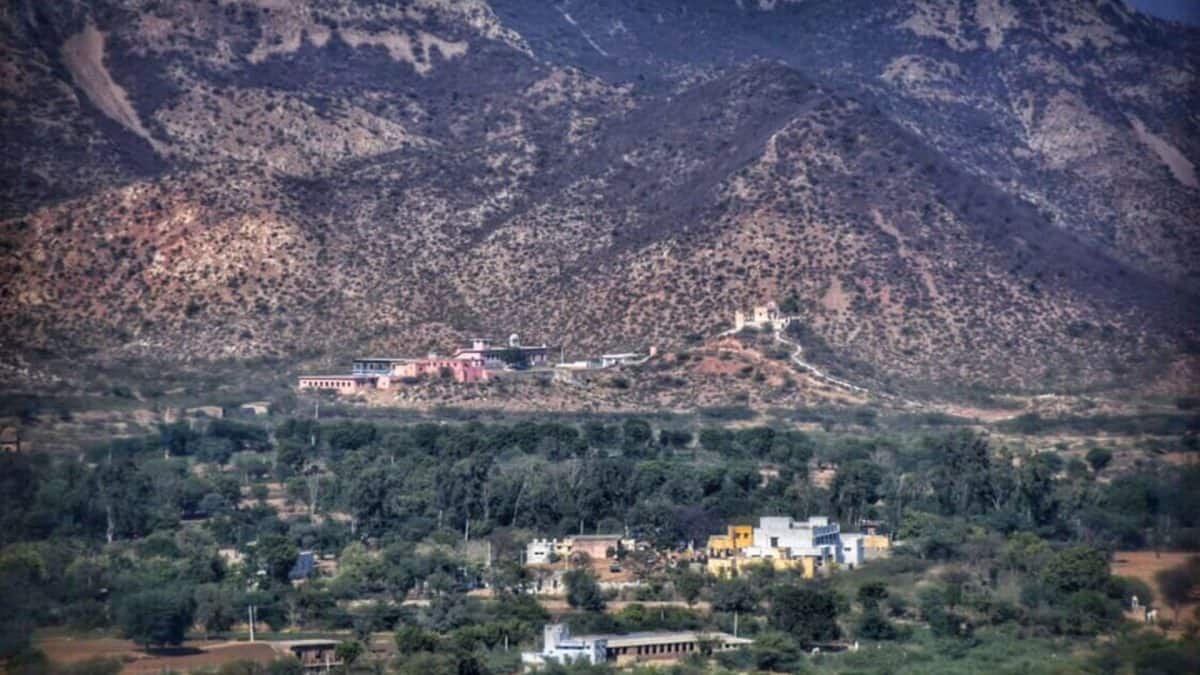
The Aravalli Hills, a testament to ancient geological wonder and ecological diversity, now find themselves at the center of a heated legal and environmental debate. The Supreme Court's recent decision to implement a controversial 100-metre rule has sparked outrage among environmentalists and local communities alike.
Context & Background
The Aravalli Range, stretching across the northwest of India, serves as a crucial green belt for regions like Delhi, Haryana, and Rajasthan. Over the years, rampant urbanization and illegal mining have eroded these once-majestic hills, reducing them to a shadow of their former grandeur. As environmental concerns mount, the Supreme Court's backing of a 100-metre rule, which narrowly defines what constitutes the Aravalli region eligible for protection, has added fuel to the fire.
This ruling comes amidst increasing pressure from real estate developers who view the decision as a gateway to further expansion. However, environmentalists argue that such a narrow definition could leave much of the fragile ecosystem unprotected, threatening biodiversity and the livelihoods of those who depend on it.
Main Story/Details
Picture this: a dusty courtroom, filled with anxious faces—some hopeful, others wary. The ruling, which initially seemed final, has now been stayed by the Supreme Court to allow for further review by an expert panel. This pause offers a glimmer of hope to those advocating for a broader interpretation of what should be preserved.
Across the region, protests have erupted, with local communities and environmental activists banding together in a unified front. "This isn't just about geography," says Meera Singh, a leading environmentalist. "It's about our future, our air, and our water—our very survival." As colorful banners flutter in the wind, there's a palpable sense of urgency in the air.
Meanwhile, urban planners and policymakers are caught in a delicate balancing act. On one hand, there's an undeniable need for urban expansion to accommodate India's growing population. On the other, the environmental cost of such development could be catastrophic if not managed sustainably.
Expert Insights/Analysis
Anupam Sharma, a renowned environmental scientist, offers a sobering perspective: "The Aravallis act as a vital green lung for North India. Undermining their significance with arbitrary boundaries could have irreversible repercussions not just ecologically, but economically as well." His research highlights the indirect economic benefits the Aravallis provide, including tourism and agriculture.
Future Implications/What's Next
The formation of an expert panel to reassess the 100-metre rule is a step forward, but the path ahead remains fraught with challenges. The panel, expected to deliver its findings within the next six months, will need to weigh environmental imperatives against developmental pressures. The outcome could set a precedent for how India balances ecological preservation with urban growth.
In the meantime, grassroots movements continue to gather momentum, with activists like Meera Singh advocating for greater community involvement in decision-making processes. Public awareness campaigns are being launched to educate citizens on the critical role the Aravallis play in their everyday lives.
Conclusion
The battle for the Aravallis is far from over. As India stands at a crossroads, the decisions made in the coming months will echo through generations, determining not only the fate of the Aravalli Hills but also the environmental legacy we leave behind. The journey to a sustainable future begins here.