When building software, one of the first decisions developers face is choosing the right architecture. Two of the most common approaches are Monolith Architecture and Distributed Systems. Both have their own strengths and weaknesses, and the right choice depends on the size and needs of the project.
What is Monolith Architecture?
Monolith architecture is a traditional way of building applications where everything is combined into a single codebase. All features like authentication, payments, notifications, and database handling are tightly connected and run as one unit.
It is like a single building where all departments exist together and depend on each other.
Advantages of Monolith Architecture
- Simple Development: Easy to build and understand, especially for beginners
- Single Deployment: Only one application needs to be deployed
- Better Initial Performance: No need for network communication between modules
- Easier Debugging: Since everything is in one place, issues are easier to trace
Disadvantages of Monolith Architecture
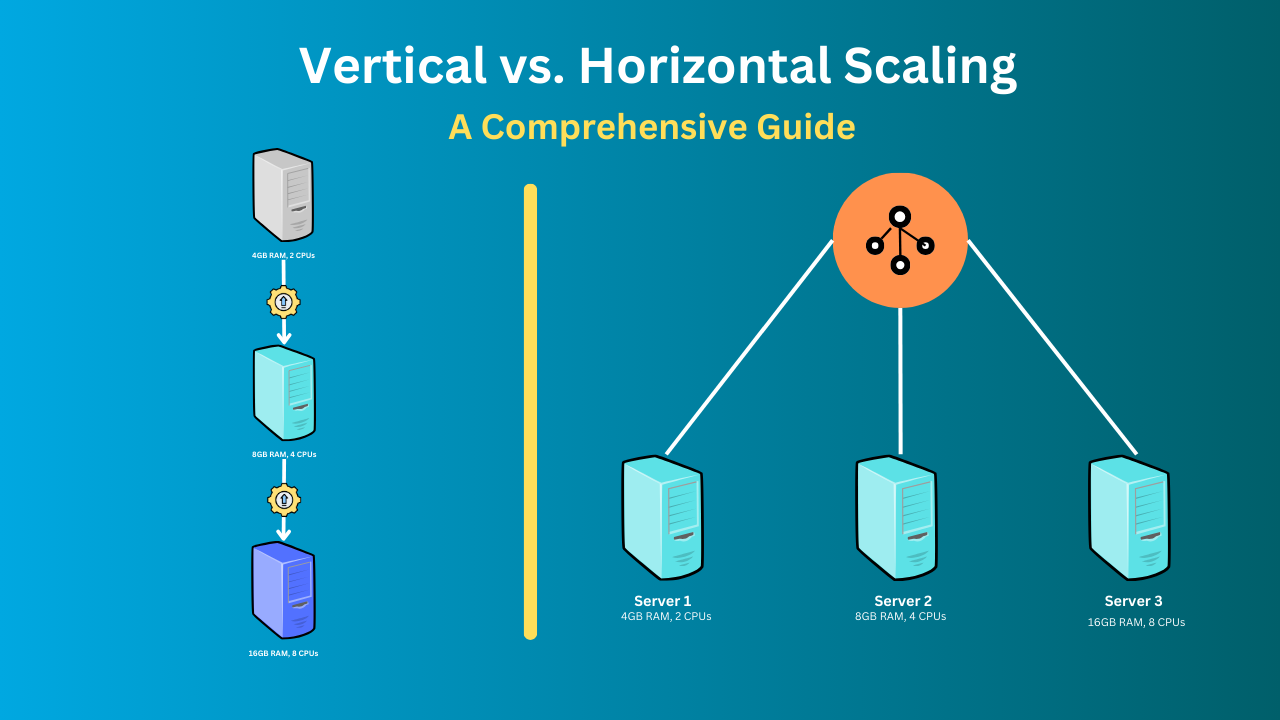
- Hard to Scale: Entire application must scale even if only one part needs it
- Code Complexity: Becomes difficult to manage as the application grows
- Slower Team Productivity: Multiple developers working on the same codebase can create conflicts
- Single Point of Failure: If one part fails, the whole system may crash
What is a Distributed System?
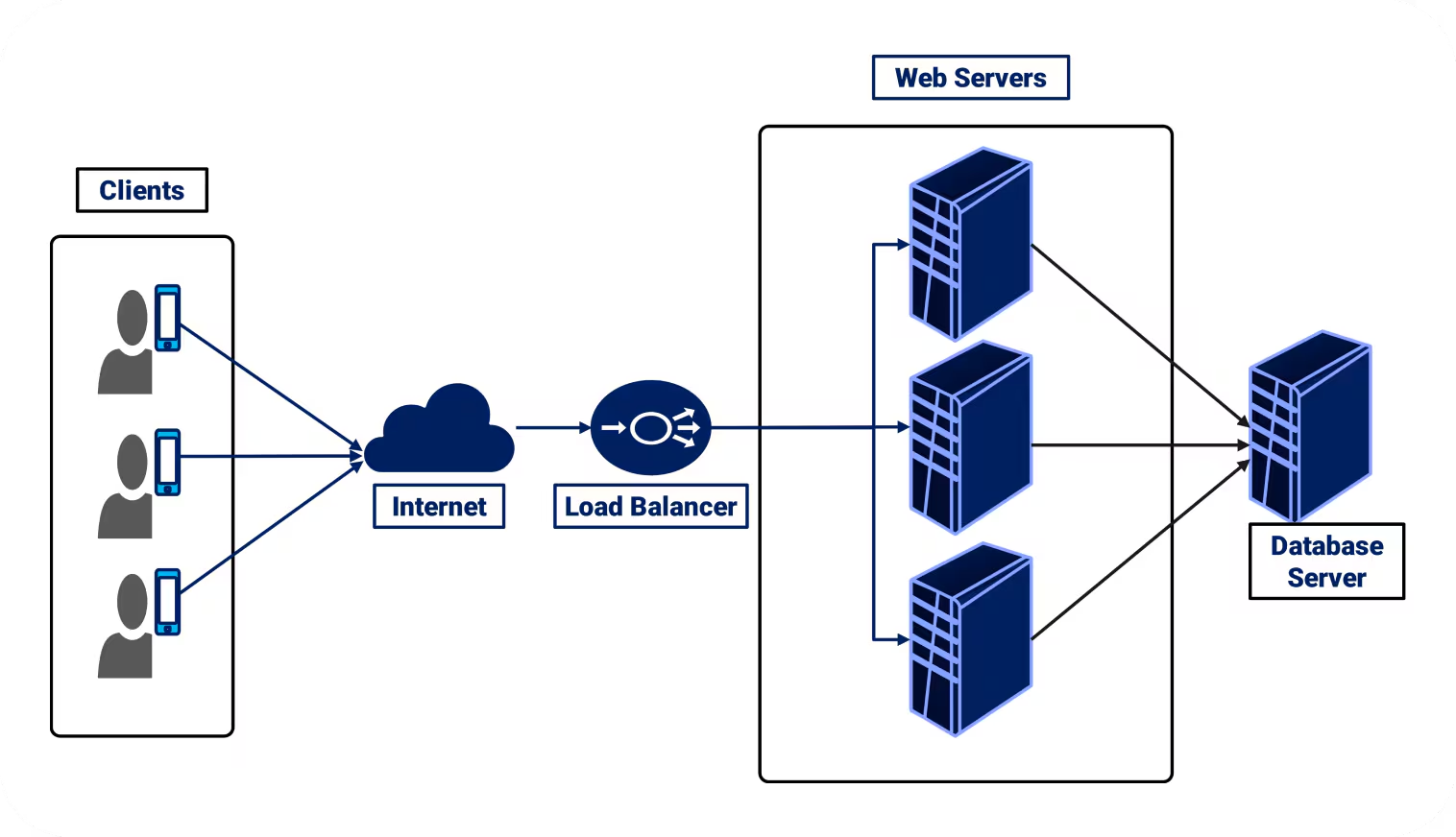
A distributed system (also known as microservices architecture) breaks the application into smaller, independent services. Each service handles a specific functionality and communicates with others through APIs.
It is like a city with multiple buildings, where each building has a specific role but still works together as a system.
Advantages of Distributed Systems
- Scalability: Only the required service can be scaled
- Faster Development: Teams can work independently on different services
- Fault Isolation: Failure in one service does not affect the entire system
- Technology Flexibility: Different services can use different technologies
Disadvantages of Distributed Systems
- Complex Architecture: Requires advanced planning and management
- Difficult Debugging: Issues may span across multiple services
- Network Dependency: Services depend on network communication, which can fail
- Higher Cost: Requires more infrastructure, monitoring, and maintenance
Real-World Case: Amazon Moving Back to Monolith
Interestingly, even large companies have learned that microservices are not always the best solution. A well-known example is Amazon, where a team moved part of their system from a distributed microservices architecture back to a monolith.
The reason was simple — their microservices setup had become too complex and expensive. Each service required its own server, networking, monitoring, and communication overhead. This increased latency and significantly raised infrastructure costs.
By combining multiple services into a single monolithic system, they were able to:
- Reduce Server Usage: Fewer services meant fewer servers were needed
- Lower Infrastructure Cost: Less network communication and simpler deployment reduced overall expenses
- Improve Performance: Internal function calls replaced slow network calls
In fact, this shift helped reduce their server costs by a large margin (often discussed as a significant percentage reduction), showing that simpler architecture can sometimes be more efficient.
When to Choose What?
- Choose Monolith: If you are building a small or new application and want faster development
- Choose Distributed System: If your application is large, growing fast, and needs high scalability
Final Verdict
Monolith architecture is perfect for getting started quickly and keeping things simple. On the other hand, distributed systems are ideal for scaling and handling complex applications. Many modern systems start as a monolith and gradually move towards distributed architecture as they grow.
The Amazon case clearly shows that choosing the right architecture is not about trends, but about solving real problems efficiently.